

 Language
 Language
Product application
Our products have various categories, including spring clips type A, exported spring clip type E series, type PR series, SKL series, and etc. Lanling's products application in domestic market such as Chinese railway systems, passenger dedicated lines and urban rail transit systems.
Production equipment
Lanling's main equipment includes 3 sets of internal mixers for producing rubber pads, 3 sets of open mixers, 3 sets of 400-ton mixers, 5 sets of 300-ton mixers, 10 sets of 100-ton plate vulcanizers, and 1 set of plastic sheet production line.
Product market
Lanling's products are used even more widely in different international railway systems in countries such as European countries, the US, Brazil, Korea, Indonesia, Taiwan, Hong Kong, and so that Lanling has a high reputation both at home and abroad.
Our certification
We have CRCC certification and ISO9001 quality management system certification.
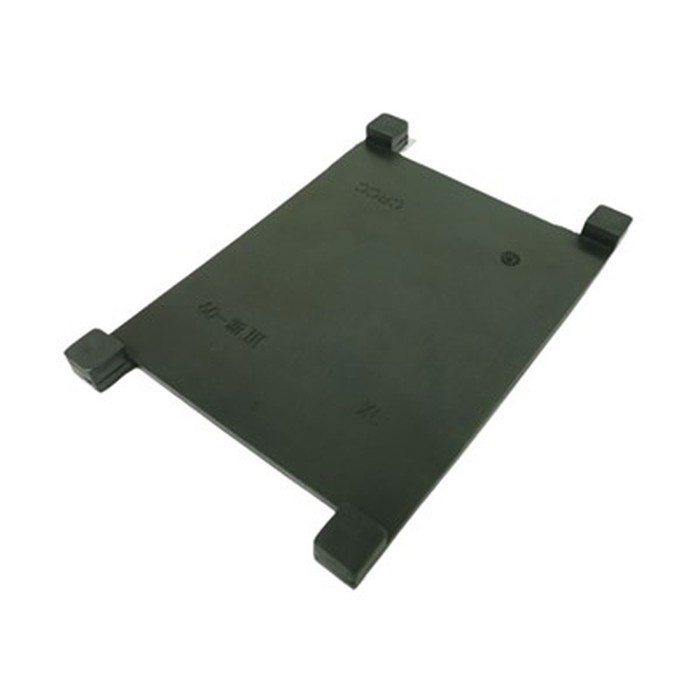
Variety of applications: Rubber pads offer a versatile solution for numerous applications across industries. From compact to heavy-duty machinery rubber pads provide reliable surface protection on all types of pave surface.
Exceptional resistance and durability: One of the primary advantages of rubber pads is their exceptional resistance to various environmental factors. Whether it's extreme temperatures, frequent skid turning, or corrosive chemicals, rubber pads withstand the rigors of construction site ensuring longevity and durability.
Operator comfort and equipment protection: Rubber pads contribute to operator comfort by minimizing vibrations and noise generated by machinery. Moreover, they act as effective surface protectors, preventing damage to floors and mating surfaces, thus reducing maintenance costs and enhancing equipment longevity.
Environmental impact and sustainability: Rubber pads align with eco-friendly practices by utilizing renewable natural rubbers and minimizing the carbon footprint. By repurposing rubber materials, these pads contribute to carbon sequestration and promote sustainability in industrial and agricultural environments.
Minimal maintenance and cost efficiency: Rubber pads require minimal maintenance compared to traditional materials, leading to predictable operating cost. Their longevity, durability and resistance to wear and tear make them an ideal long-term investment for your equipment fleet.
Rubber stamp pads: They are available in wide variety of sizes and are good choice for your stamping needs.
Foam rubber pads: These pads are made of natural rubber (latex) or synthetic rubber in various weights and thicknesses. There are numerous foam materials in a various densities so that you can attain the feel and compression that your application requires. They can be laminated with an adhesive backing so that the padding can be installed as a component in your product.
Crossover pads: These are high tensile strength pads used to protect electrical or other cables, especially in the mineral processing and construction industries. These pads are made from various rubber compounds and are designed to be chemical, temperature and abrasion resistant.
Rubber mattress pads: A rubber mattress pad is a pad or a thick sheet used for offering extra cushioning and support to a bed.
|
Color |
Black, Blue, Green, Red, etc |
|
Density |
65-70 kg/m3 |
|
Hardness |
70 shore A |
|
Temperature |
40 to 150 degree C |
|
Material |
Rubber |
Workshops, factories and manufacturing sites can benefit from using industrial matting as a worktop liner. A thin (usually 3mm or 6mm) layer of rubber on the worktop or lining a drawer will help to protect the surface, reduce noise and prevent tools, components and fixings from slipping or rolling away. The fine ribbing frequently used on this type of rubber matting is also comfortable for users to lean on, and of course, it can be easily cleaned down post-shift.
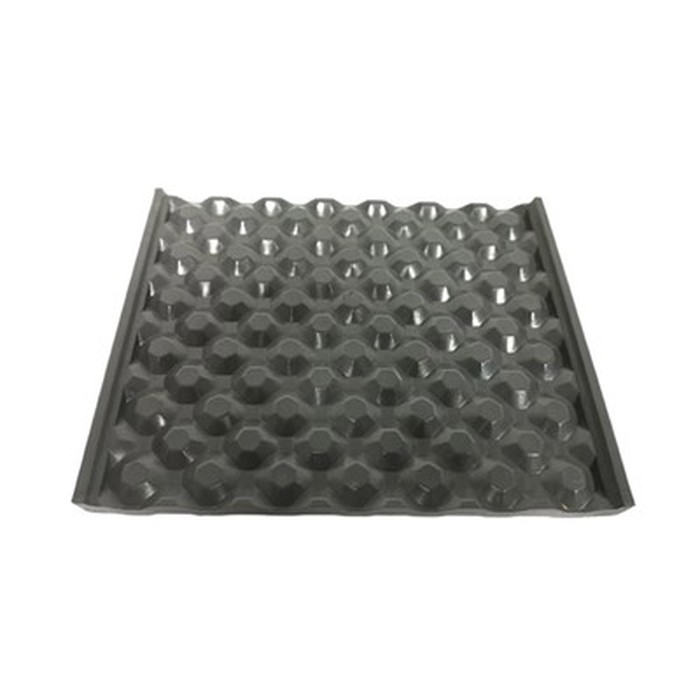
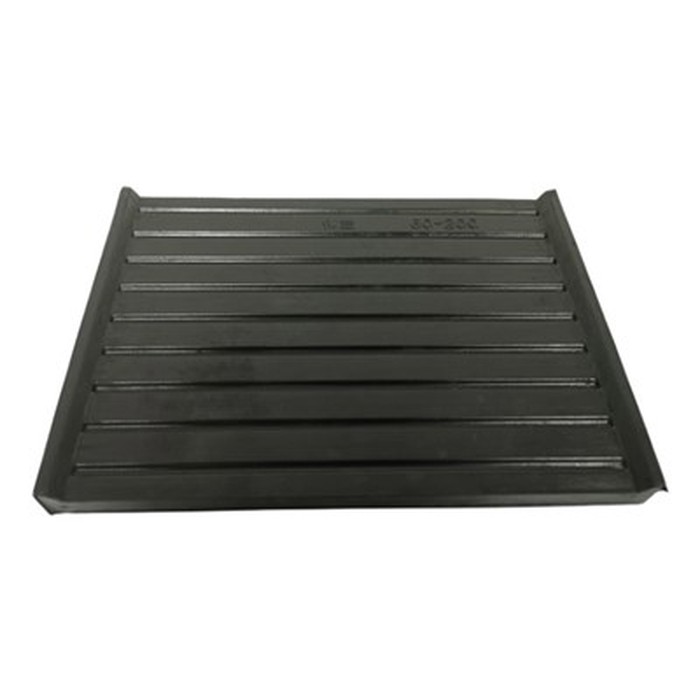
Some custom brand rubber pads come in the form of large sheets and rolls that can be cut down to size as needed. Pre-made bands and O-rings are also available with a variety of applications. Most brands are formulated to be resistant to oil and water, making them easy to keep clean. Many are also helpful for making strong weatherproofing devices such as window strips to stop leaks and drafts.
Rubber Pad Forming
Rubber pad forming (RPF) is a metalworking process where sheet metal is pressed between a die and a rubber block, made of polyurethane. Under pressure, the rubber and sheet metal are driven into the die and conform to its shape, forming the part. The rubber pads can have a general purpose shape, like a membrane. Alternatively, they can be machined in the shape of die or punch.
|
Packing |
Cases for export |
|
Shipping |
Container transport, by sea. |
|
Lead Time |
20–25 days |
|
Payment |
100% T/T before shipment, a 30% deposit paid by T/T, and the balance paid by L/C |
As one of the most professional rubber pad manufacturers and suppliers in China, we're featured by quality products and competitive price. Please rest assured to buy custom rubber pad made in China here from our factory. For free sample, contact us now.
Self locking Rail Clip, PR601A Rail Clip(0/10)
