





Track clip fastener manufacturers introduce different tracks
 Mar 31, 2023|
 The track consists of ballast bed, sleepers, rails, connecting parts, anti-climbing equipment and turnouts. The initial rails were cast iron rails, and then developed into I-shaped rails. Spring fastener manufacturers understand that trains, bullet trains, and high-speed rails do not all run on the same track. Ballastless tracks are generally used for high-speed rail tracks, and ballasted tracks are used for trains.
Usually we see a lot of gravel in the middle of the green train track, which is the ballasted track. The ballast slag of the ballasted track bears the pressure transmitted by the sleeper, and distributes the pressure evenly on the roadbed, fixes the position of the sleeper, maintains the correct line shape and slope of the track, removes rainwater around and below the sleeper, and prevents the soil of the roadbed from being wet Soft deformation can also increase the elasticity of the track, so that the rail after being rolled by the train can quickly return to the original correct position, and it can also prevent the growth of weeds on the track.
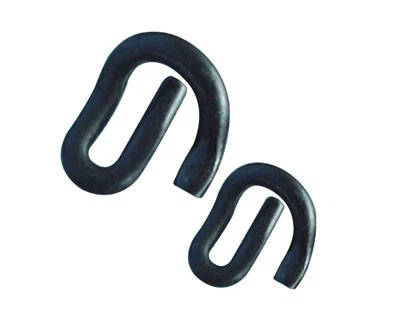
Track clip fastener manufacturers introduce that modern high-speed rail tracks use ballastless tracks. Ballastless tracks are designed to ensure the safety of high-speed railway operation, improve the strength of the roadbed, and reduce ballast cleaning and maintenance. The track structure that replaces ballast, sleepers and roadbed is called "ballastless track", which can reduce maintenance time, maintain good quality and drive safety. It adopts slab track bed or integral track bed, without separate sleepers, and the track is relatively compact Stable, less maintenance workload, higher ride comfort.
In terms of steel requirements for the track, the steel rail requirement for high-speed rail is at least 65 kilograms per meter, and for general railways is 60 kilograms. The weight of the steel used is heavier and the bearing capacity is higher. In terms of line selection, high-speed railways have much higher requirements for ground subsidence than ordinary railways. EMUs can run on ballasted or ballastless tracks, but high-speed trains cannot run on ballasted tracks.